What if you no longer had to go to the citizens’ office?
In Germany, that definitely isn’t the case. Together with Kilian Wachowiak, I researched the state of digitization in the German administration, its problems, and possible visions for the future. We designed a concept for a fully digital residence registration.
Team size
2
Project type
Research, Screen Design
Time period
October 2025 – January 2025
Why?
Germany is digitalizing – slowly.
In Germany, you almost always have to visit the Citizen's Office to complete a public service. Even when digitized, these services tend to be complex, long, and frustrating.
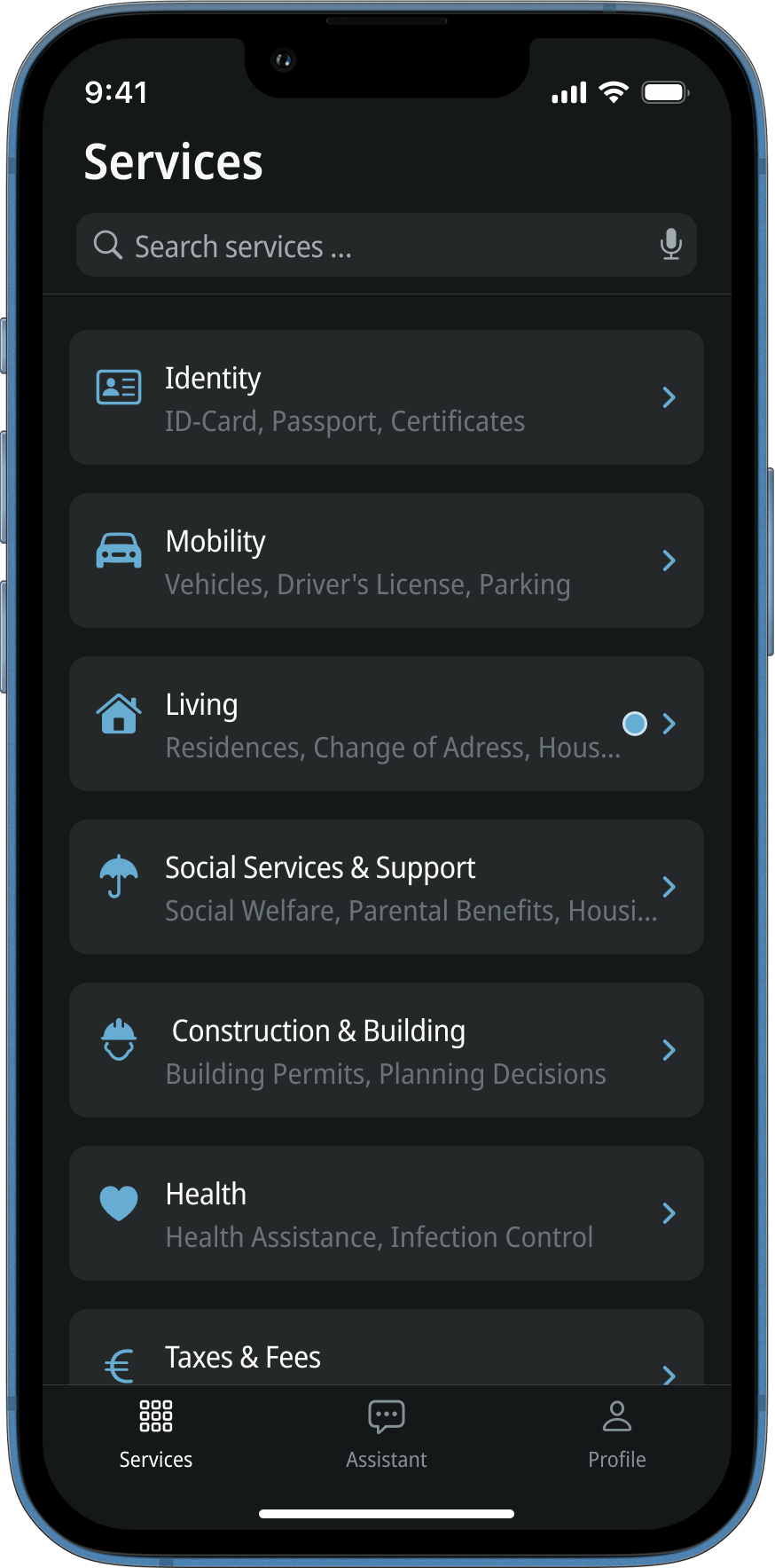
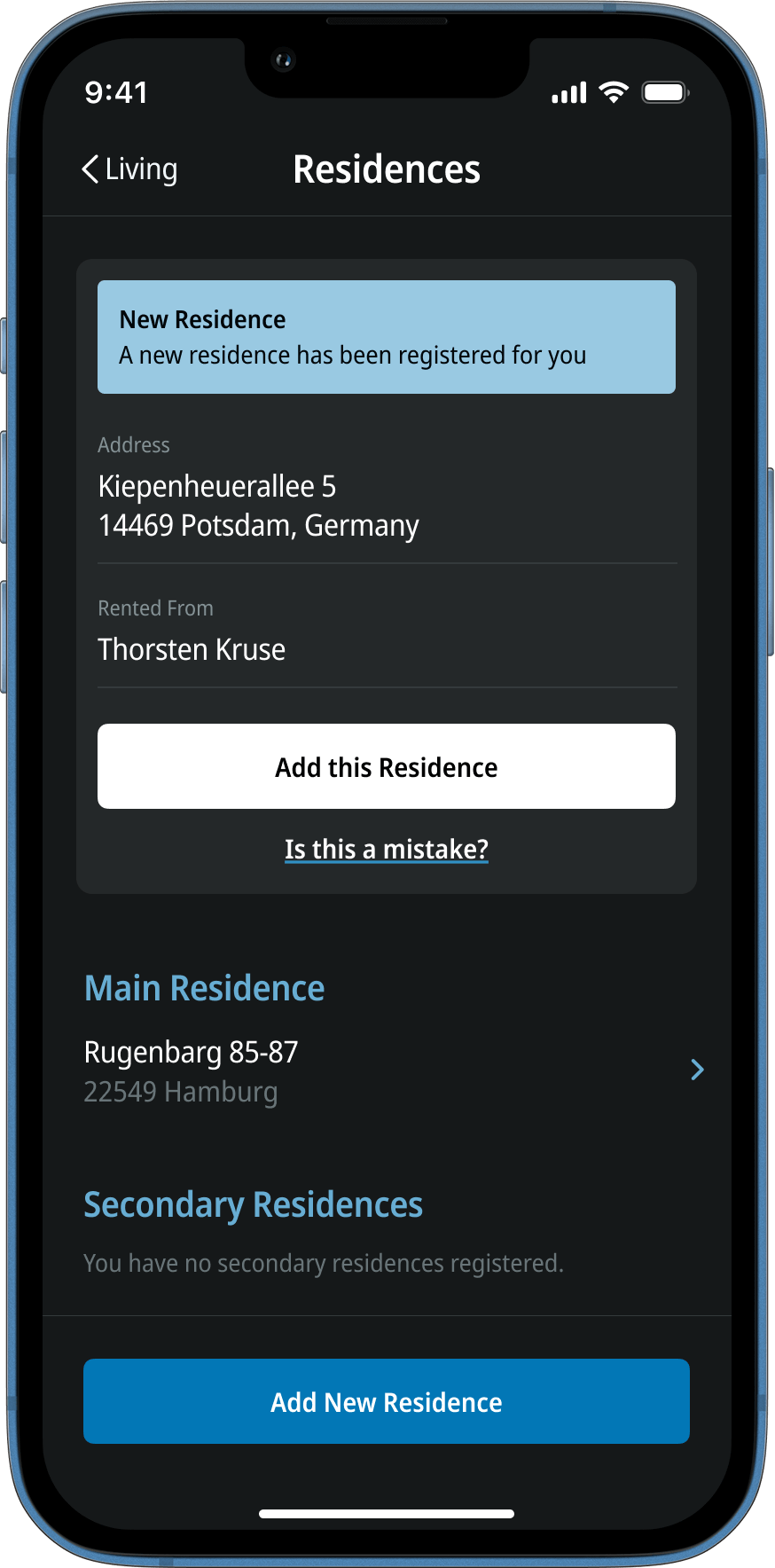
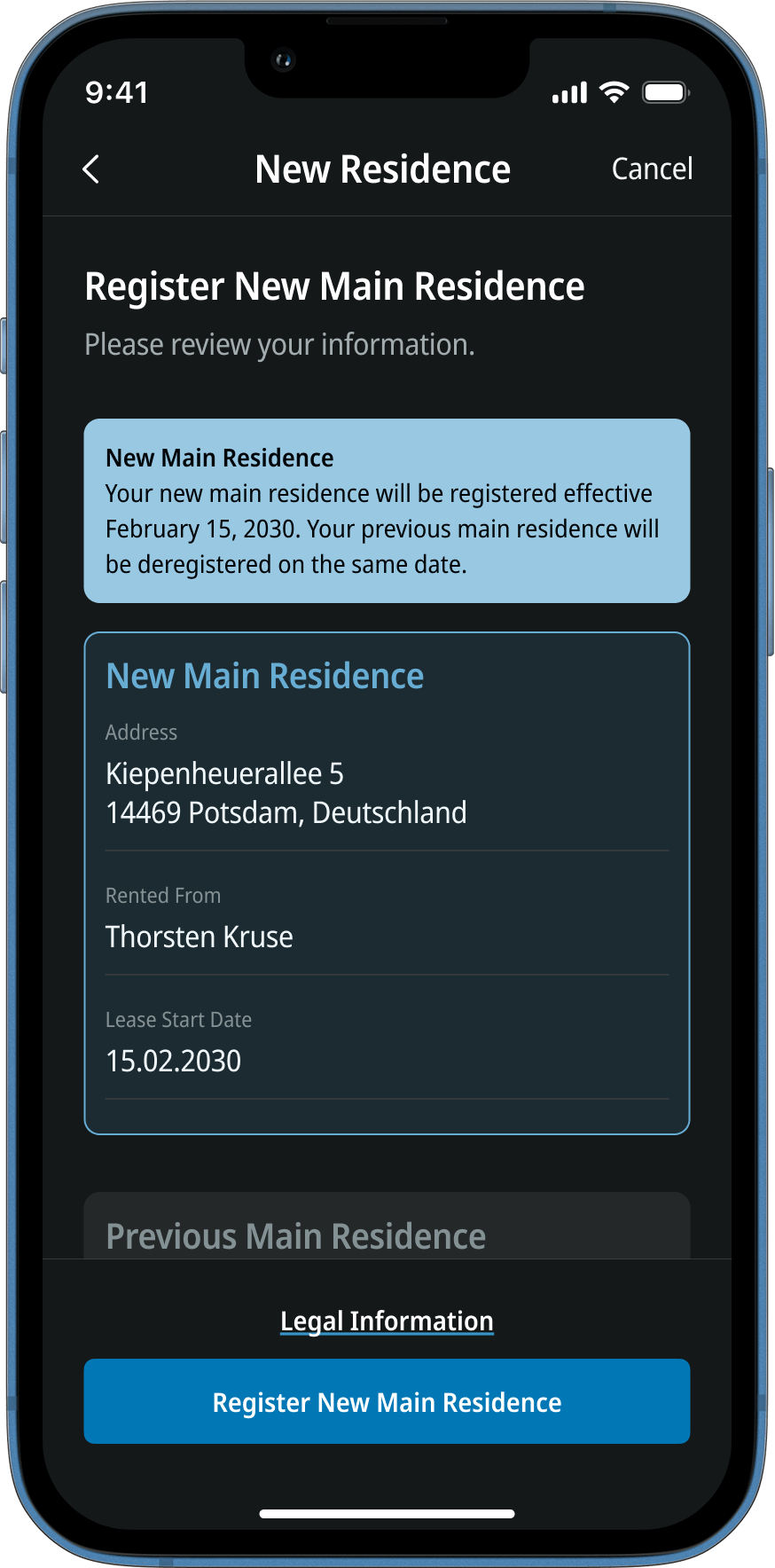
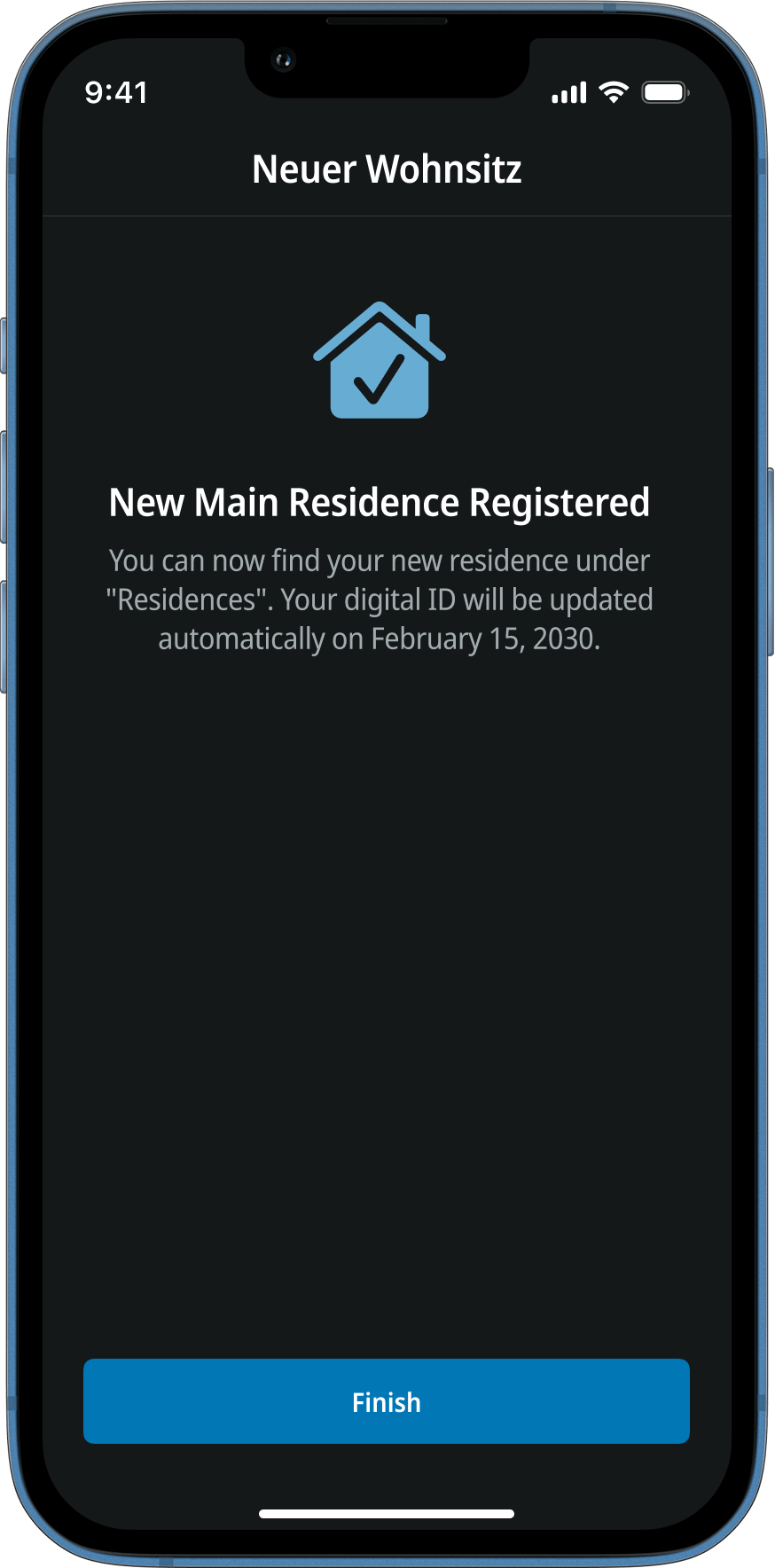
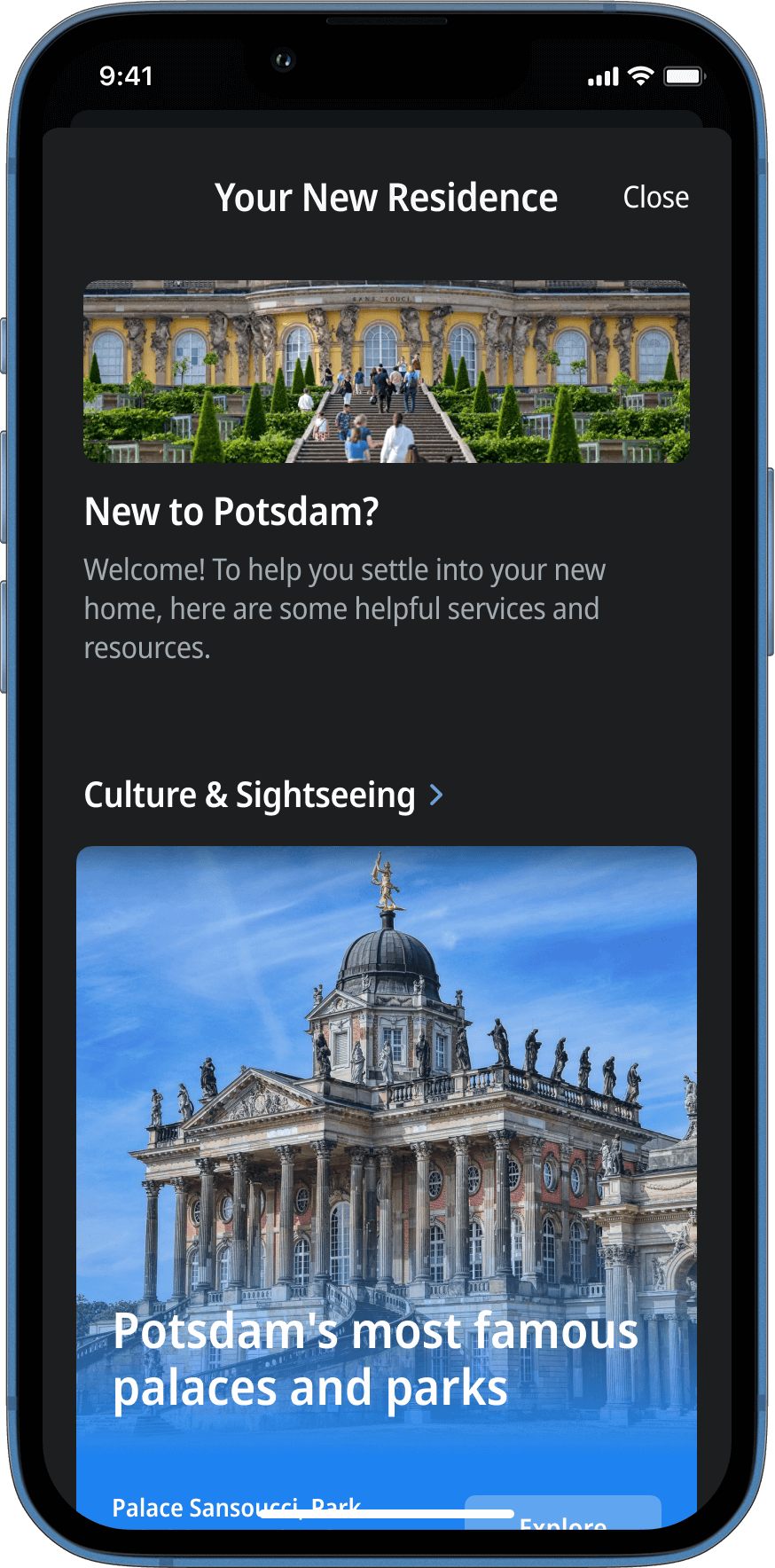
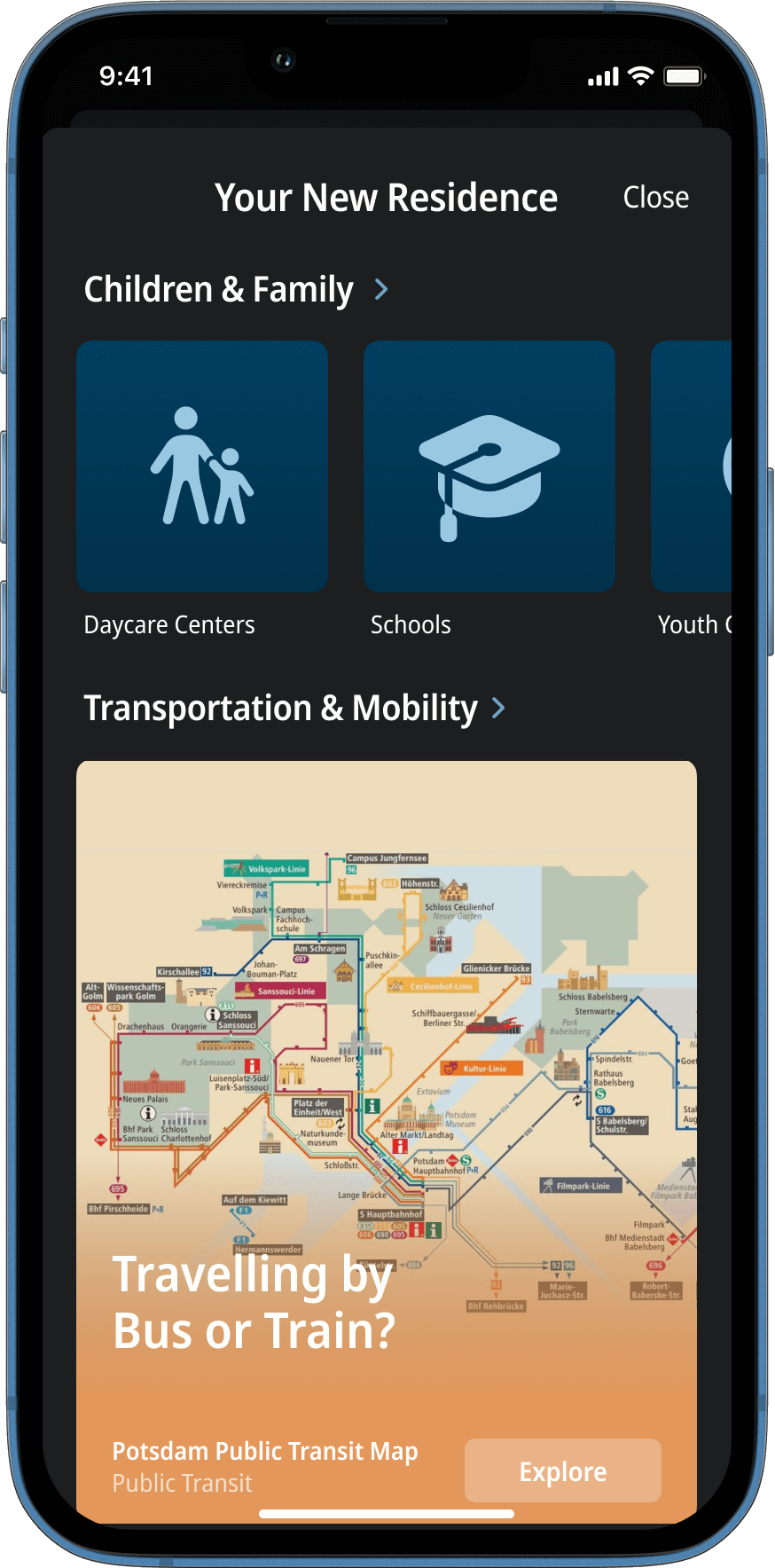
Because we know what this frustration feels like, we tried to envision a future where public services can be fully completed online, from your smartphone. A future in which these services are actually viewed as services and designed to have a satisfying and enjoyable user experience for its users: the citizens.
Because we know what this frustration feels like, we tried to envision a future where public services can be fully completed online, from your smartphone. A future in which these services are actually viewed as services and designed to have a satisfying and enjoyable user experience for its users: the citizens.

Research
Our process began with desk research, analyzing studies, articles, social media trends, and best practices from other countries. Following this, we conducted interviews with citizens on the street and held an interview and ideation workshop with a head of one of Berlin’s district offices.
It was nearly Christmas during that time, so we offered Glühwein and sweets as incentives for people to talk to us – it worked!


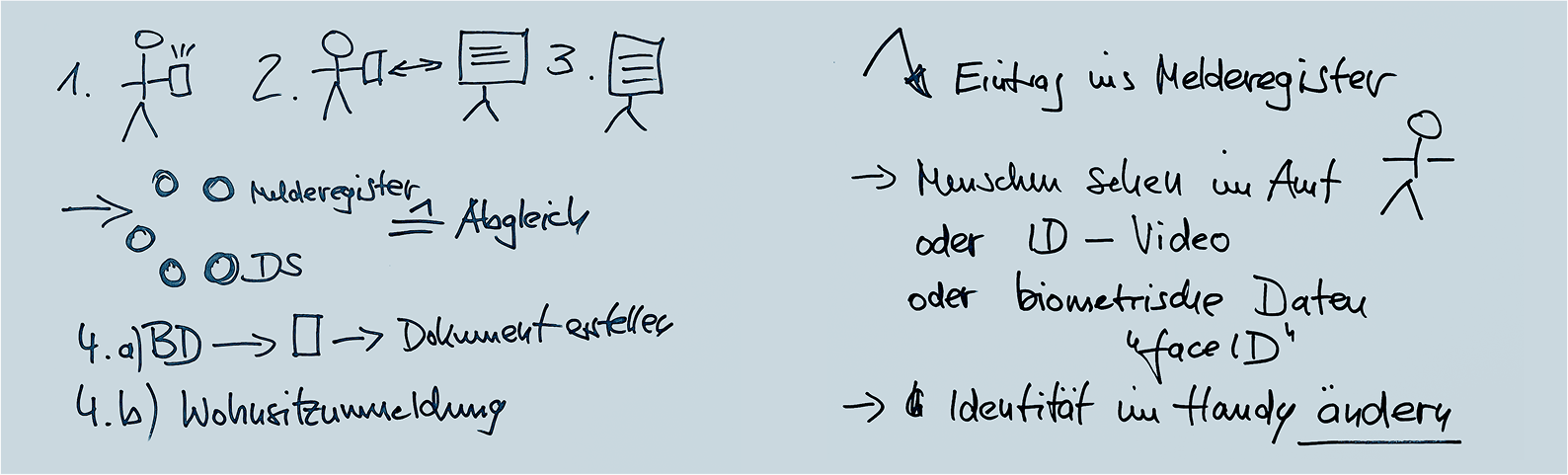
Sketch from the workshop, illustrating possible steps for an online registration
Insights
Paper to Digital to Paper…
Incomplete digitalization and laws lead to individual steps breaking the digital-only flow, preventing a smooth process.
Digital over Analogue
Most citizens would prefer a digital service for more flexibility. Meanwhile, services must always be accessible and never be digital-only.
Digital Services have a bad UX
Incomplete digitalization and laws leads to einzelne steps breaking a digital-only flow, preventing a smooth process.
e-ID is lacking functionality
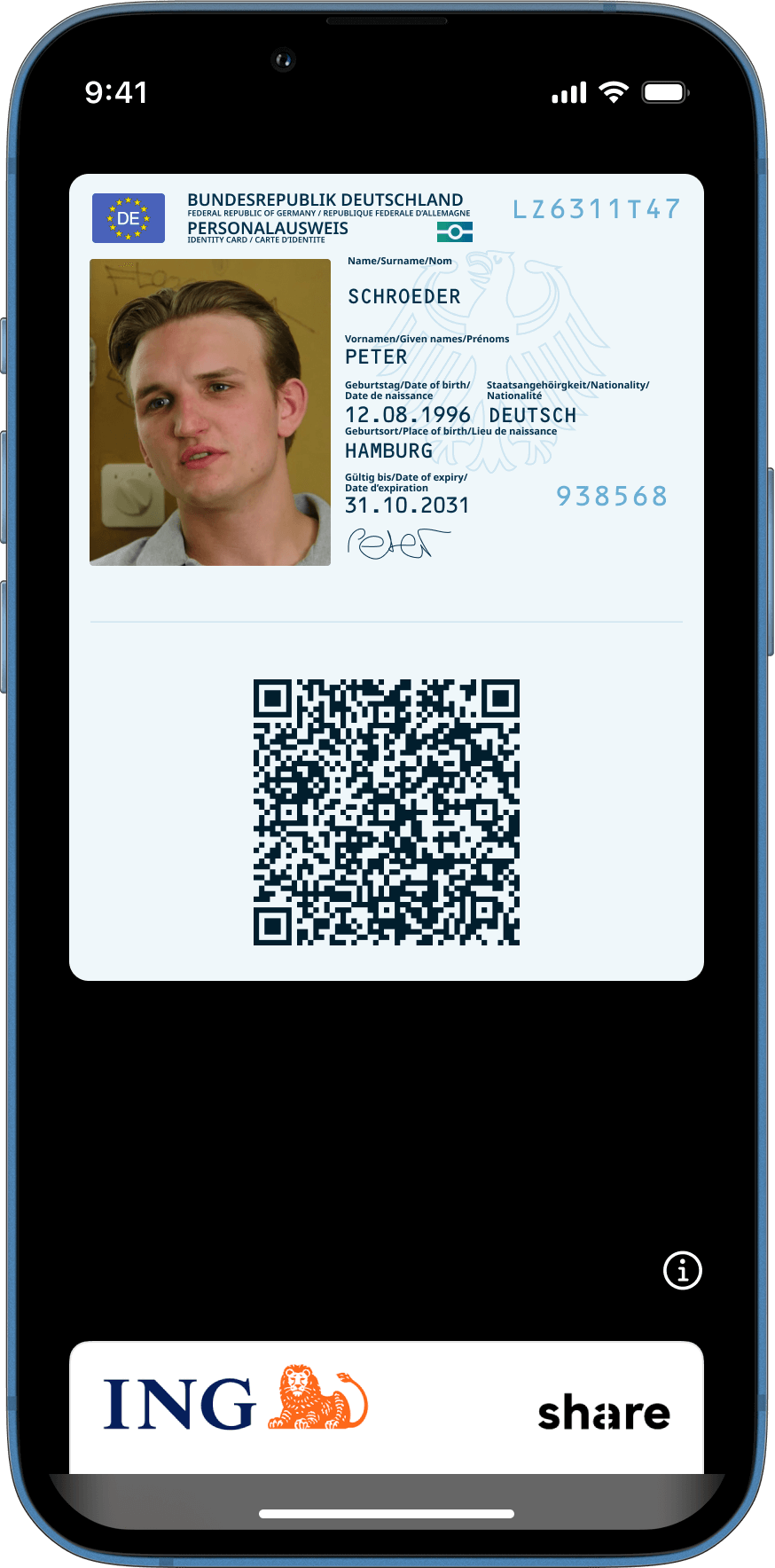
The German e-ID (BundID) is only used by a small fraction of the population. It fails to realize its full potential as the key to a functional e-Government.
How?
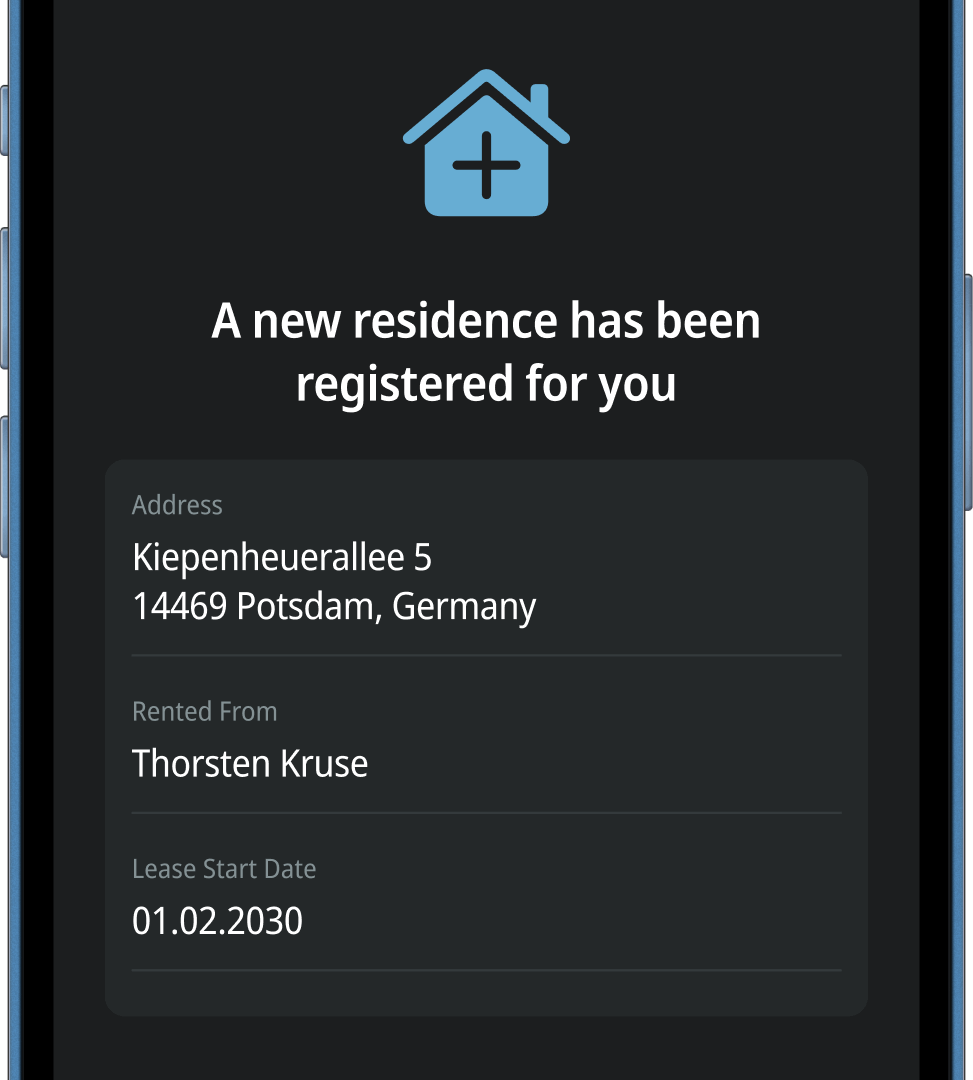
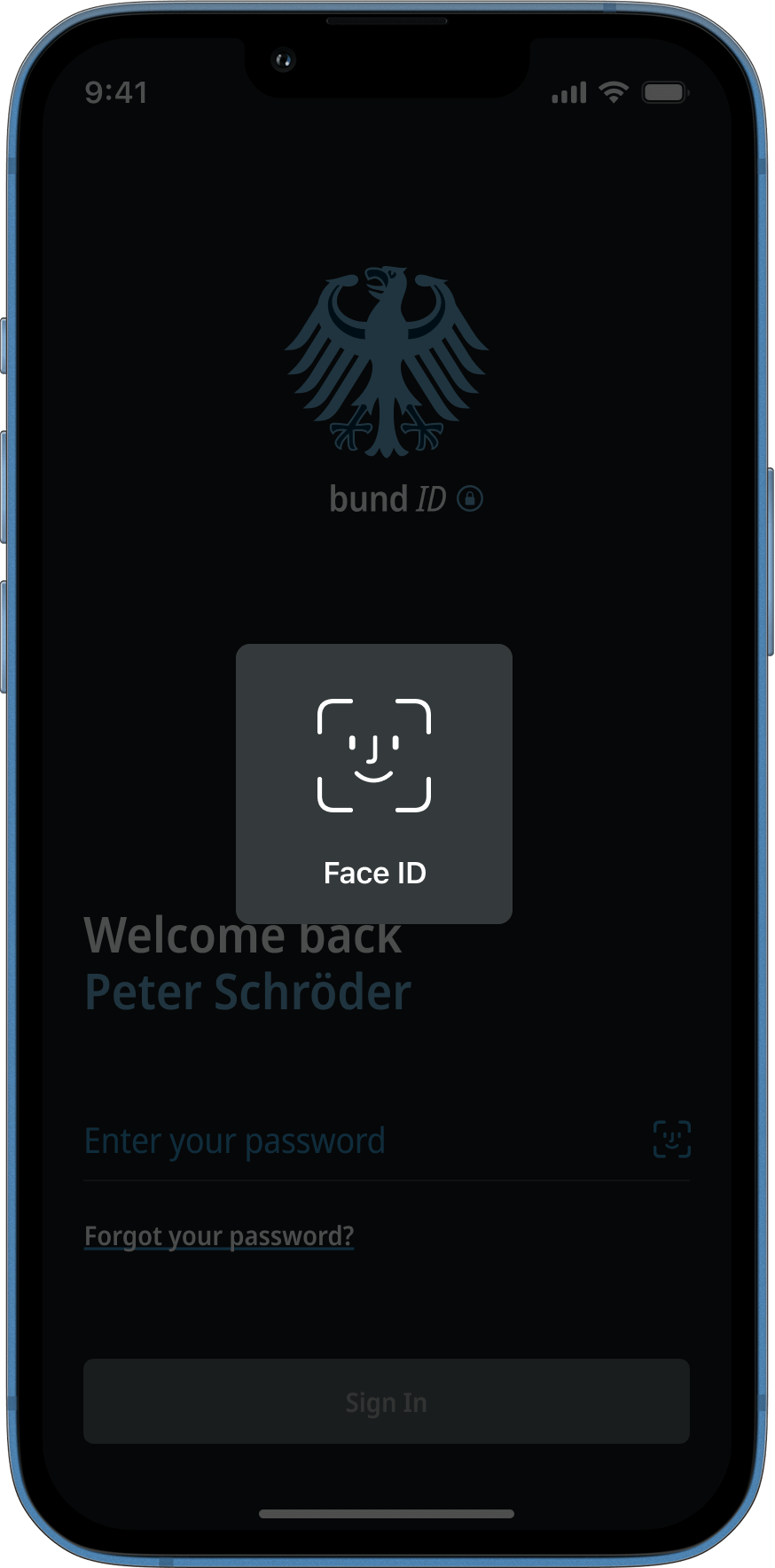
With a bundID  , that is truly digital
, that is truly digital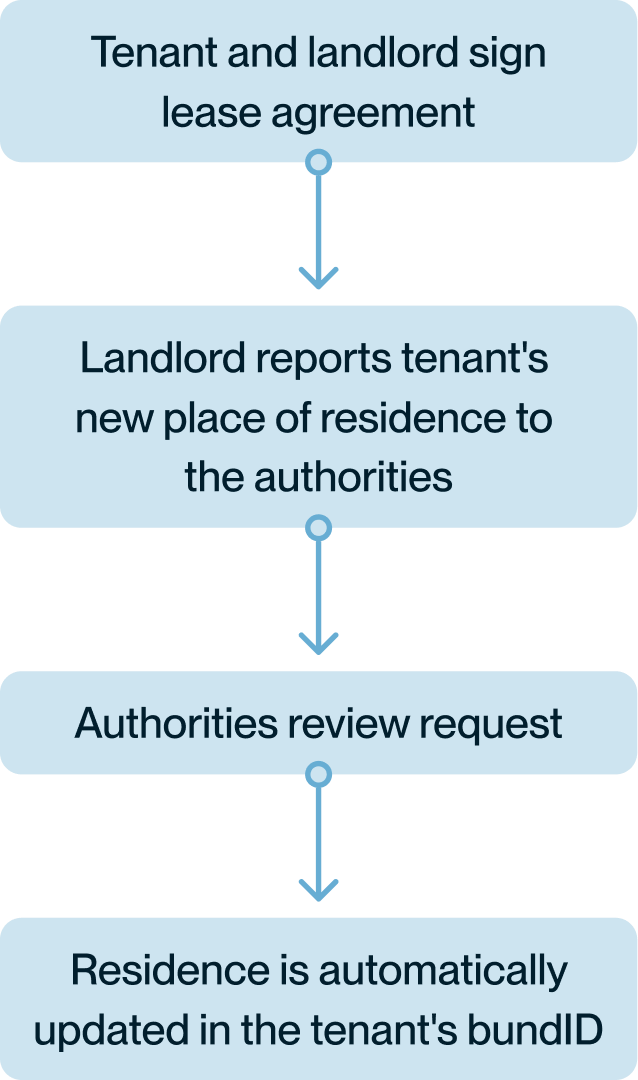


Want to work on something together?